
Wrinkle Treatments and Services
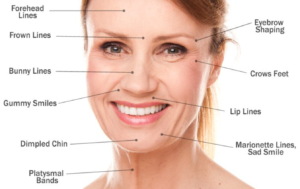
Fine lines and wrinkles are a natural part of the aging process, but we understand that you may want to explore options to help you feel more confident in your skin. Many of our clients feel the same way and are curious about potential treatments. That’s why we offer complimentary, no-obligation 30-minute consultations with our experienced practitioners. These relaxed, informative appointments are an opportunity to discuss your individual concerns and explore suitable treatment options. Whether you're new to cosmetic treatments or simply have some questions, we're here to support you in making an informed and confident choice.
Areas for Wrinkle Concerns
During your consultation, we may discuss the following areas:
Forehead Lines
Forehead Lines
Crow's Feet
Crow's Feet
Lip Lines
Lip Lines
Excessive Sweating (Hyperhidrosis)
Excessive Sweating (Hyperhidrosis)
Frown Lines
Frown Lines
Bunny Lines
Bunny Lines
Neck Bands
Neck Bands
Gummy Smile
Gummy Smile
Brow Lift
Brow Lift
Nasal Flare
Nasal Flare
Facial/ Jawline Slimming
Facial/ Jawline Slimming
Dimpled Chin
Dimpled Chin
TMJ & Teeth Grinding
TMJ & Teeth Grinding
FAQ's
What causes wrinkles?
Wrinkles primarily result from two factors: intrinsic aging and external influences. Intrinsic aging involves the natural loss of collagen and elastin in the skin, leading to reduced elasticity. External factors such as sun exposure, smoking, and repetitive facial expressions can accelerate this process. Additionally, lifestyle choices like poor hydration and inadequate sleep contribute to the formation of wrinkles.
What non-surgical treatments can address wrinkles?
Several non-surgical treatments can address wrinkles:
Botulinum Toxin Injections (e.g., Botox or Dysport): Temporarily relaxes facial muscles to reduce dynamic wrinkles.
Dermal Fillers: Restores volume and smooths static wrinkles.
Laser Therapies: Stimulates collagen production for skin tightening.
Chemical Peels: Exfoliates the skin to reveal smoother layers.
Microneedling: Promotes collagen production through controlled skin injury.
Topical Treatments: Includes retinoids and peptides to improve skin texture.
What’s the difference between anti-wrinkle injections and dermal fillers?
Anti-wrinkle injections, sometimes referred to as muscle relaxants, are used to temporarily reduce movement in targeted facial muscles. Dermal fillers are designed to restore volume and structure in specific areas of the face. During a consultation, your practitioner can assess your individual concerns and provide information on what treatment options may be suitable for you.
Are wrinkle treatments safe?
All injectable treatments carry some risk, which will be discussed with you during your consultation. Our team of qualified nurses works under the supervision of prescribing medical professionals to ensure safe and appropriate care tailored to you.
How do I know which treatment is right for me?
Everyone’s needs are different. That’s why we offer free consultations to assess your concerns and develop a customised plan. We’ll guide you through your options — including potential products — based on your anatomy, goals, and medical history.
Can I book a consultation even if I’m unsure about treatment?
Absolutely. Consultations are a no-pressure opportunity to learn more about your options, have your questions answered, and decide what feels right for you. There’s no obligation to proceed with treatment, and consultations are provided at no cost.
Is there a minimum age for cosmetic injectables?
Yes. Cosmetic injectable treatments are only available to clients aged 18 and over, and suitability is always assessed on a case-by-case basis by our medical team.
What is botulinum toxin, and how does it work?
Botulinum toxin type A is a neurotoxin produced by the bacterium Clostridium botulinum. In medical settings, it is purified and used to temporarily block nerve signals to specific muscles. By inhibiting muscle contractions, it can reduce the appearance of dynamic wrinkles—those caused by facial expressions such as frowning or squinting.
How long do the effects of Botulinum Toxin (aka Botox) last?
The effects of botulinum toxin typically last between 3 to 6 months. Individual results may vary based on factors such as age, skin condition, and lifestyle.
What are the potential side effects of anti-wrinkle treatment?
While Botox is generally considered safe when administered by a qualified professional, potential side effects can occur. Common, mild reactions include temporary bruising or swelling at the injection site, headaches, drooping of the eyelids or eyebrows, dry eyes, excessive tearing, and nausea. These side effects typically resolve on their own within a few days to weeks. However, if you experience persistent or severe symptoms, it’s important to consult with your healthcare provider promptly. A consultation with the experienced nurses at Plumerian Aesthetics is essential to assess your individual suitability for treatment and to discuss any potential risks.
When are the results of Botox generally seen?
The onset of effects from botulinum toxin treatments varies depending on several factors, including the specific formulation used, the area treated, and individual patient characteristics. Generally, initial changes may become noticeable within a few days, with optimal results typically observed within two weeks. However, the exact timing can differ based on the product’s formulation and how it interacts with individual muscle activity and metabolism. It’s important to note that discussions regarding the choice of product and its suitability for your specific needs are best conducted during a personalised consultation. This ensures that the treatment plan is tailored to your unique requirements and aesthetic goals.
Are there any precautions I should take before and after Botox treatment?
Before undergoing botulinum toxin treatment, it’s essential to follow specific guidelines to minimise risks and ensure optimal results. Avoid consuming alcohol for at least 24 hours before your appointment, as it can thin the blood and increase the likelihood of bruising. Additionally, refrain from taking blood-thinning medications and supplements, such as aspirin, ibuprofen, and vitamin E, for a period of two weeks before and a few days after the treatment. These substances can elevate the risk of bleeding and bruising at the injection sites.
After the procedure, certain precautions are necessary to ensure the best outcome. Avoid massaging or rubbing the treated areas for at least four hours to prevent the product from migrating to unintended areas. It’s also advisable to refrain from engaging in strenuous physical activities for 24 hours, as increased blood flow can affect the distribution of the toxin. Additionally, keeping your head upright and avoiding lying down for four hours post-treatment can help maintain the product’s intended placement.
Please note that these guidelines are general recommendations. During your consultation, the nurses at Plumerian Aesthetics will assess your individual suitability for treatment and provide personalised pre- and post-care instructions tailored to your specific needs. This ensures the safest and most effective approach to your botulinum toxin treatment.
